TRB-061
TRB-061: A TNFR2 Agonist for Atopic Dermatitis, Alopecia Areata and Other Inflammatory Diseases
We designed TRB-061 to selectively agonize TNFR2 to increase the number of Tregs, improve their function, enhance their stability in inflammatory environments, and induce a tissue repair phenotype. TRB-061 is in clinical development for moderate-to-severe atopic dermatitis (AD) as a first indication.
A Novel Mechanism in Immune Regulation
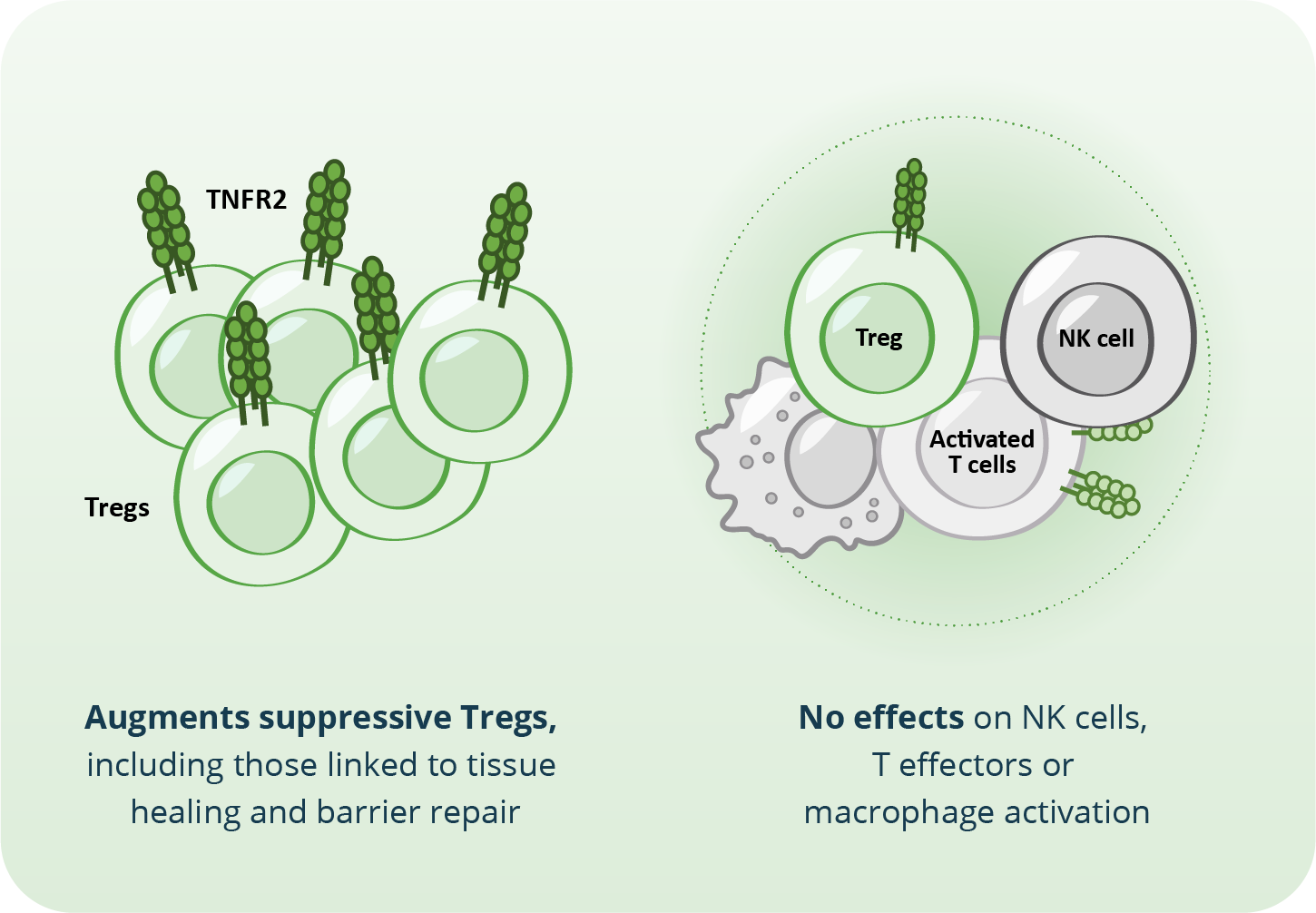
TNFR2 is a key activator of effector Tregs in inflamed tissues. These cells are critical to controlling immune responses and maintaining tissue health. TRB-061 is designed to mimic the natural TNF ligand to selectively activate effector Tregs.
Phase 1 Clinical Trial in Progress
The Phase 1a/1b randomized, double-blind, placebo-controlled, 3-part study is investigating the safety, pharmacokinetics, and pharmacodynamics of single and multiple subcutaneous doses of TRB-061 in healthy participants and in patients with moderate-to-severe atopic dermatitis (Clinicaltrials.gov Identifier: NCT06934252)
Unlike traditional anti-inflammatories or systemic IL-2-based therapies, which can have broad immune activation liabilities, TRB-061 is designed to act locally and selectively, without activating macrophages, NK cells, or effector T cells.
In atopic dermatitis, these suppressive Tregs are present but are underactive, and express high TNFR2, making them potentially responsive to TRB-061’s mechanism. By selectively agonizing TNFR2 on Treg, TRB-061 is designed to expand and reactivate these tissue-resident Tregs, which we believe may be an improved approach to long-term disease control.
We designed TRB-061 to selectively agonize TNFR2 to increase the number of Tregs, improve their function, enhance their stability in inflammatory environments, and induce a tissue repair phenotype. TRB-061 is in clinical development for moderate-to-severe atopic dermatitis (AD).
A Novel Mechanism in Immune Regulation
TNFR2 is a key activator of effector Tregs in inflamed tissues. These cells are critical to controlling immune responses and maintaining tissue health. TRB-061 is designed to mimic the natural TNF ligand to selectively activate effector Tregs.
Unlike traditional anti-inflammatories or systemic IL-2-based therapies, which can have broad immune activation liabilities, TRB-061 is designed to act locally and selectively, without activating macrophages, NK cells, or effector T cells.
In atopic dermatitis, these suppressive Tregs are present but are underactive, and express high TNFR2, making them potentially responsive to TRB-061’s mechanism. By selectively agonizing TNFR2 on Treg, TRB-061 is designed to expand and reactivate these tissue-resident Tregs, which we believe may be an improved approach to long-term disease control.
Phase 1 Clinical Trial in Progress
The Phase 1a/1b randomized, double-blind, placebo-controlled, 3-part study is investigating the safety, pharmacokinetics, and pharmacodynamics of single and multiple subcutaneous doses of TRB-061 in healthy participants and in patients with moderate-to-severe atopic dermatitis (Clinicaltrials.gov Identifier: NCT06934252)
TRB-061 for Precision Immunomodulation
TRB-061 is a clinical-stage, TNFR2-selective agonist designed to activate and expand Tregs in inflamed tissues without stimulating unwanted immune cells. We are developing TRB-061 for a variety of autoimmune and inflammatory diseases.
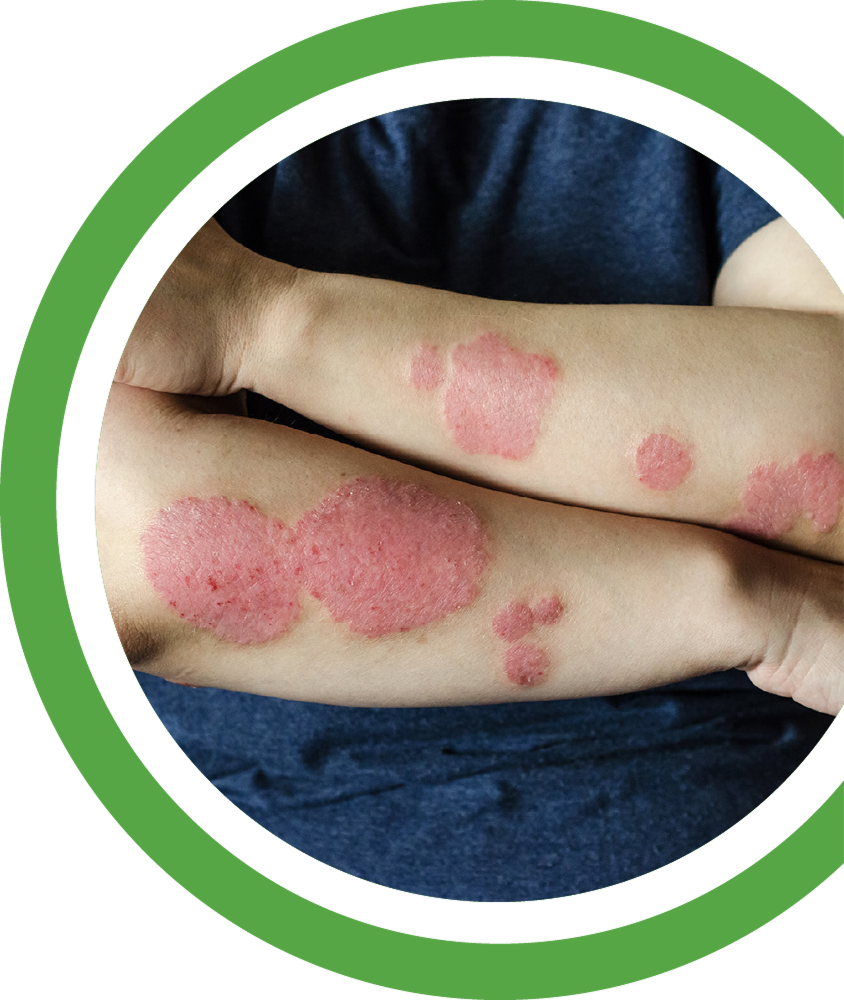
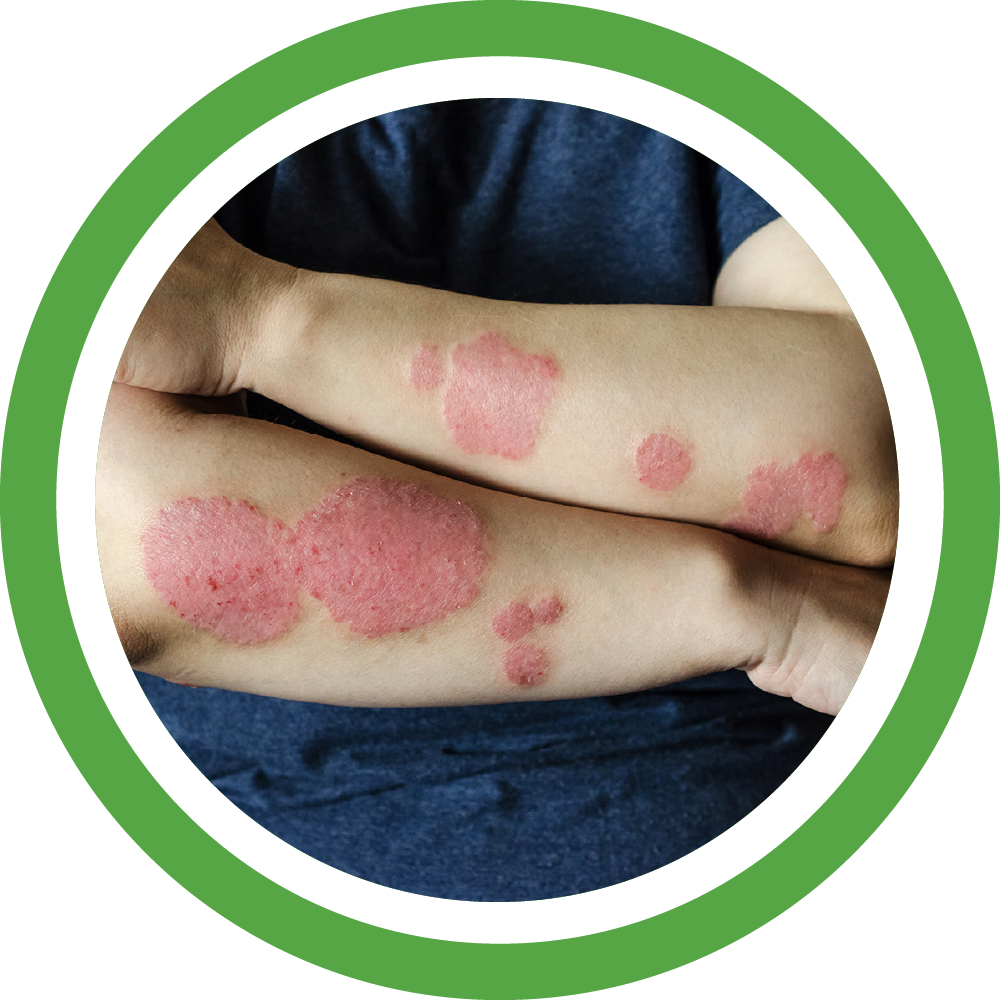
Atopic dermatitis (AD) is a chronic inflammatory skin disease characterized by rash, itching, and skin barrier dysfunction. AD affects approximately 16 million American adults and an estimated 225 million individuals globally. In moderate-to-severe cases, AD is associated with systemic immune activation, extensive body surface area involvement, and substantial quality-of-life impairment.
No approved therapies have been shown to induce durable remission independent of ongoing treatment, highlighting an unmet medical need for safer, more effective treatment options that address the underlying pathophysiology of AD.
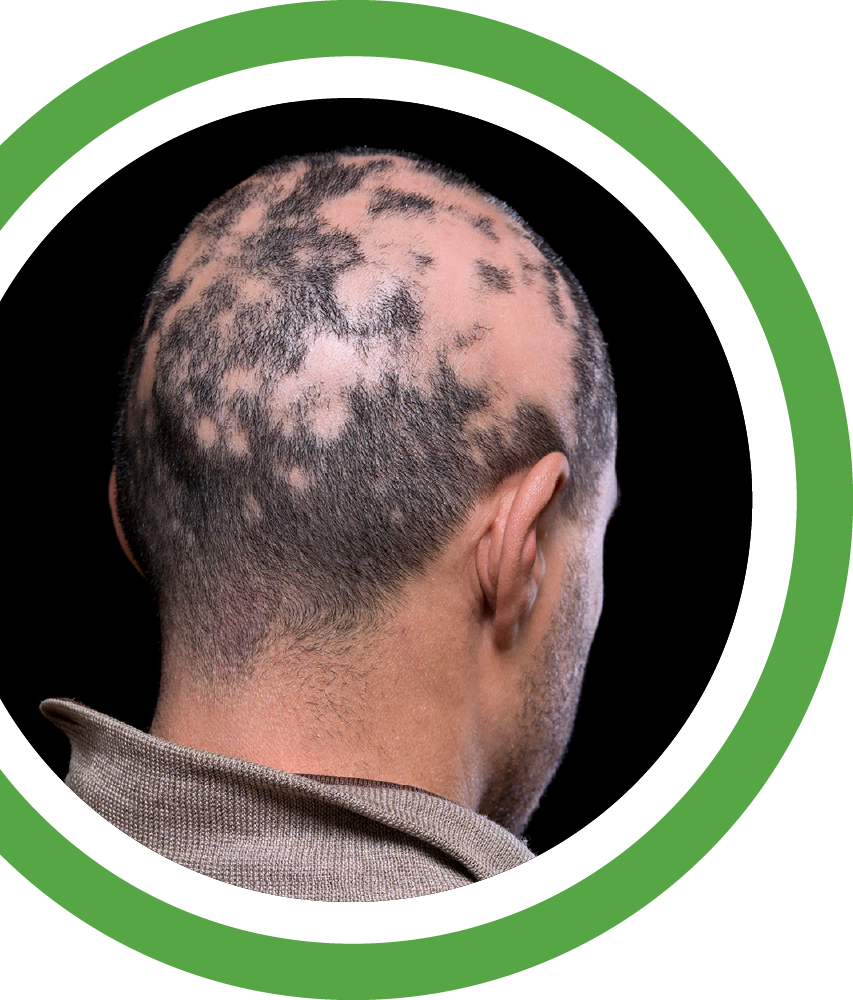
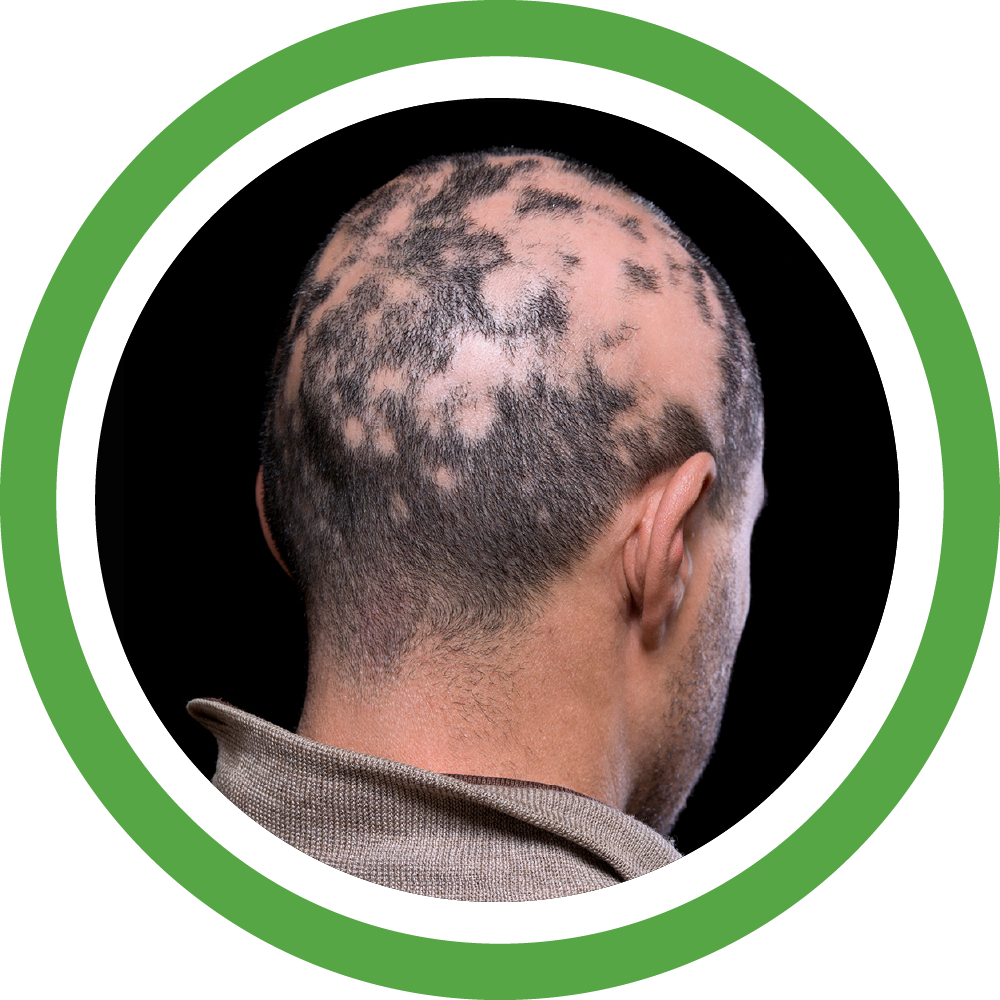
Alopecia areata (AA) is an autoimmune disease characterized by loss of Treg function, immune tolerance, and immune privilege within the hair follicle, causing nonscarring hair loss. Currently, there are approximately 700,000 Americans living with some form of AA, and 80% of these patients show signs of AA before turning 40.
By restoring both the immunoregulatory and tissue-reparative functions of follicular Tregs, we believe Treg augmentation has the potential to address the pathological drivers of follicular damage.